NEM reshapes Australian agriculture with science that listens

Australian farmers face unprecedented challenges: climate variability, soil degradation, and rising input costs. In this evolving landscape, many are turning their attention underground – to the living systems which sustain healthy, resilient crops.

Protecting crops from extreme weather

Australian farmers struggling to manage crops in extreme weather are encouraged to follow the lead of farmers around the world and increase anti-stress preventatives to safeguard crops and livelihoods.

Getting under the skin of black core rot

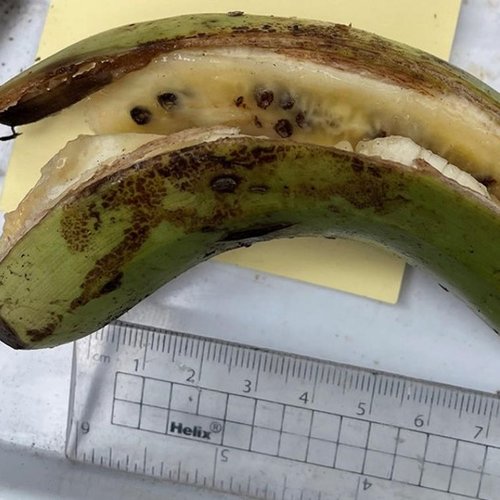
Fruit might look perfect on the outside, but when peeled open it’s sometimes rotten at the core. University of Queensland PhD student Zali Mahony is working hard with others to find out more about black core rot. Symptoms of black core rot are expressed close to or at harvest when it is too late to apply control measure.

Grant to strengthen avo industry

Avocados Australia has been awarded a $200,000 grant over two years through the ASEAN-Australia Centre’s 2024–25 Grants Program.

Faster citrus orchard establishment using less water

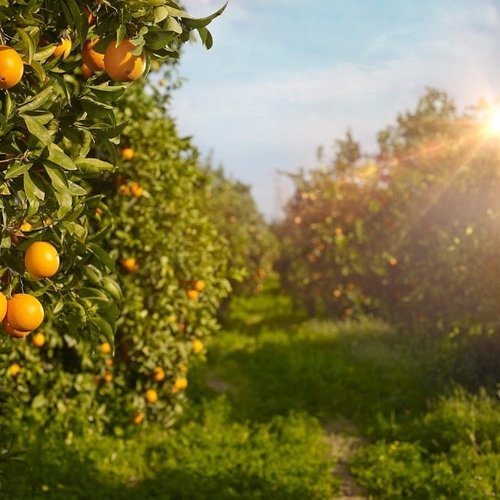
The use of a BioStart biostimulant program in a commercial citrus orchard on red sands in NSW has increased soil moisture retention in the top 66 cm of soils, potentially reducing the irrigation required by 33 per cent.

The hidden threat –stem end breakdown in citrus

When it comes to citrus, appearance is everything. A bright, smooth peel is often the first thing buyers notice, and anything less can be a dealbreaker. But for growers, maintaining that flawless look isn’t always easy – especially when facing the challenge of stem end breakdown.

Floods of fire ants surf south

Just as it seemed that things could not get much worse for householders and travellers affected by floods in Queensland and northern NSW, a new threat has emerged from aggressive fire ants floating south to affect new areas with their painful presence.

A taste of heaven

Many pests can skim through a life cycle in little more than a week and if a mum-pest can produce 50–100 progeny in another week and if, like mites, which we covered last issue, two thirds of those are female, you’ll need a calculator on steroids to work out the percentage increase in population per generation.

Plant scanner gets green thumbs up

One of the world's most advanced plant phenotyping technologies has made its way to Australia and is poised to revolutionise plant research and agriculture at the University of Southern Queensland (UniSQ).

Diversifying Australian Agriculture: Key Emerging Sustainable Markets

From combating climate extremes and water scarcity, to increasing input costs and evolving consumer values, Australia’s agricultural sector is reaching a turning point.

Test to measure antibacterial property of honey

A tool developed by The University of Western Australia and commercialised by bee research centre Y-Trace can measure the antibacterial properties of honey with unprecedented accuracy.

New opportunity for Seastock

There might well be another gold rush in Australia – in mines given up as unproductive but which have suddenly attracted a lot of interest from new investors.

Australia on alert Xylella fastidiosa found in China

Australian olive growers are stepping up preparations against the risk posed by the bacterium Xylella fastidiosa after its spread was confirmed in China.

Citrus Australia condemns U.S. tariff

Citrus Australia has warned Donald Trump’s latest wave of global tariffs punishes both Australian growers and their consumers in the US.

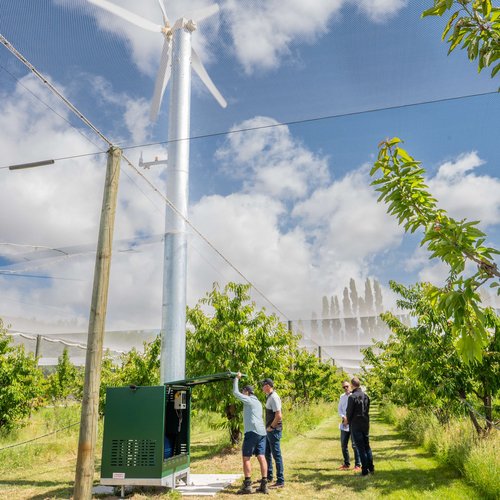
Protecting orchards using agrivoltaics: a game changer for climate adaptation?

For apple and pear growers, too much sun can be a costly problem, as bleached, sunburned fruit won’t make the premium grade.