
Nuts
-
Featured Crop
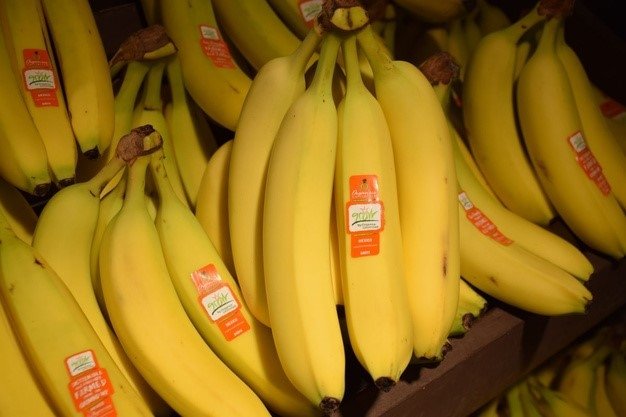
Global demand for organic bananas is strong.
Usually, in northern hemisphere markets, it slows down after the typical winter and early Q1 spike, but it has continued to remain elevated and the outlook is favorable.
Daniella Velazquez de Leon of Organics Unlimited says according to the Organic Trade Association's organic market report, in 2025, the organic banana category grew by more than 12 per cent, aligning with shifting consumer segments as Millennials and Gen Z have become the fastest growing buyers of organic and they are consumers who prioritize health and sustainability.
In line with strong demand, banana supply is in a healthy place right now.
“Our farm teams did a great job preparing for this year's winter and it paid off,” Daniella says.
“We've been able to maintain steady, consistent volume and have been able to support partners in need of additional volume.”
While the TR4 disease is of big concern, it hasn't reached Mexico where Organics Unlimited sources most of its product.
However, TR4 is spreading in Latin America and was most recently detected in Ecuador late last year.
With Ecuador being the world's largest banana exporter, it’s a signal to prepare for further supply tightening in the future.
Although Organics Unlimited's operations haven't been directly impacted, the company is working ahead to be prepared.
“On the farm, we're focused on prevention, biosecurity measures, plant health, continuous field monitoring, and training our teams to make sure they understand the importance of protecting production areas,” she says.
Geopolitical challenges are having an impact on the supply chain as well as on margins.
The situation in the Strait of Hormuz has pushed oil prices up and that ripples throughout all industries.
Freight costs have increased, which not only affects the cost of transporting fruit, but also affects packaging and other inputs dependant on shipping.
“For organic bananas specifically, the increases hit harder and there is less room to absorb price increases as they already carry higher production costs and operate on tight margins,” Daniella says.
The retail price of bananas doesn't reflect the real cost of production and distribution.
Because bananas have long been expected to remain the lowest-priced produce item, there is constant pressure to keep costs down.
Most often, this pressure is felt by farmers and growing communities.
For decades, bananas have been underpriced.
Not because they are inherently cheap, but because they've been treated like a traffic-driving commodity for a long time.
Retailers have historically been cautious about crossing certain price thresholds.
However, Daniella says they are starting to see the conversations with retailers change.
“It takes time, but pricing is slowly moving, at Organics Unlimited, we're growers ourselves and understand what it takes to grow, pack, import, and distribute organic bananas,” she explains.
“We source through direct trade, and our GROW program adds an extra layer, making sure each box supports education and programs for the communities where our bananas are grown.”
This has a cost, but the company believes growers need to be paid fairly.
“A growing number of retailers and consumers share this thought and several of our partner retailers have moved their prices to the $1.27-$1.29 price range and continue to see their sales grow,” she adds.
This shows that consumers are willing to support a better model when the value is clearly communicated.
“The key is helping consumers to connect the price of a banana to the people behind it and to understand that just a few cents per pound can make a big difference at the source.”

