
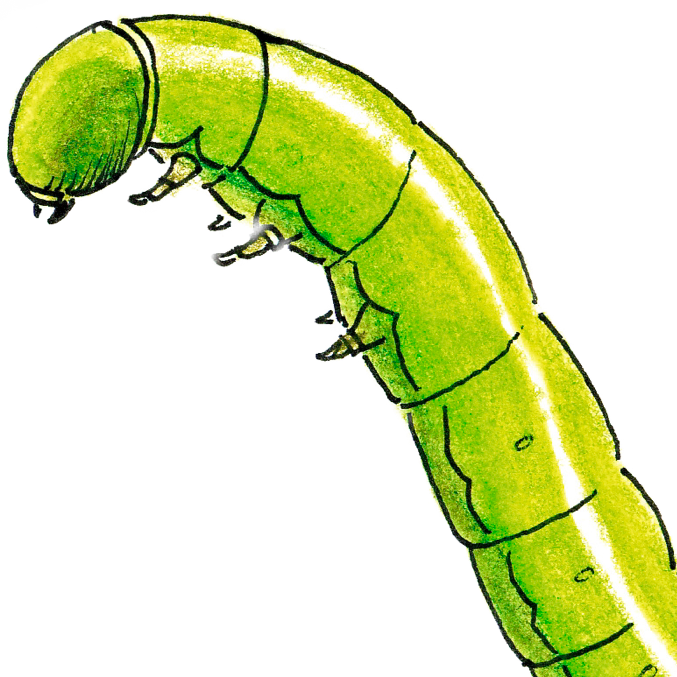

Know your pest
If you only just kill insect pests you don’t waste money.
And even if you are getting 100 per cent kill (or near enough) with your current equipment and application rate, how do you know you can’t get the same result with half as much?
Maybe even a quarter as much?
Here’s how you can do your own bioassay – just a fancy word for test spray – in just a few minutes.
A series of test sprays, taking a few minutes each, will quickly give you results you can see, and rely on, at the lowest cost so you’ll save money on into the future.
Make sure live insects are present.
If you do your test sprays with Py-Bo Natural Pyrethrum Insecticidal Concentrate you’ll get results in about five minutes.
It causes insects which have been contacted with even one tiny droplet to go into an involuntary excitement stage where they fly or crawl erratically and bump into or walk over more droplets.
Those leafhoppers and others flying off, only leave because they’ve been hit and they may well fly a lot further than a drop sheet under that tree – save time and effort and don’t bother with one.
The ones you see twitching, you can count as dead.
In essence, you are looking for an application that leaves your tree crop without any living insects. (We’ll come to eggs in a minute).
Dilute PyBo at 1ml/L. Any pests you contact will quickly die (larger caterpillars, beetles or bugs may take longer but you will recognise from their twitching they at least were contacted and will die).
Starting with your current application rate, equipment and technique, apply the solution to say, two trees with pests on them, at the end of a row (both sides).
- Check the result within 5 minutes. Dead or dying insects were, of course, contacted. If all insects are dead/affected, you should check if you can get the same result with less solution… precisely aimed, so…
- Change something physical; application rate, nozzle angles, droplet size, air blast, speed?
- Go to another row-end and do the same process; apply and check.
- Still not satisfied? Change something else and repeat on another row-end.
When you are getting 100 per cent kill with just enough and no more insecticide than necessary, that’s the setting to use from then on at that growth stage of your tree.
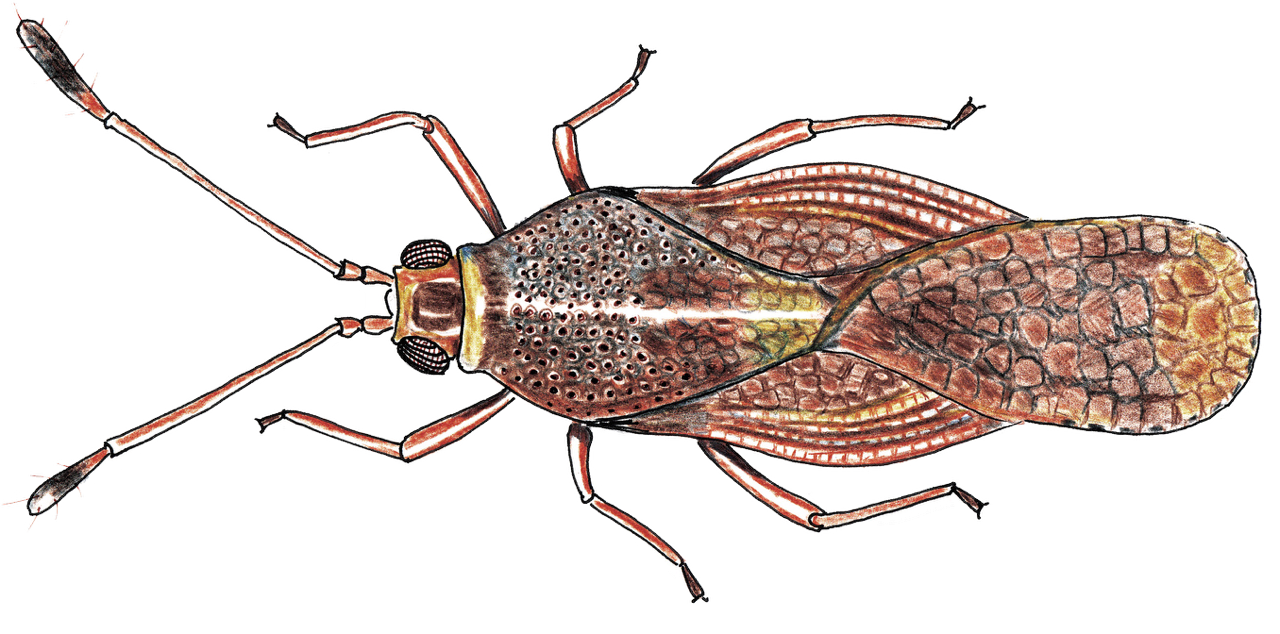
Olive lace bugs, adults nymphs and eggs are almost always underleaf.
You should think about some finesse.
When I say “change something physical; nozzle angles, droplet size, air blast, speed” I’m asking you to start thinking about targeting the specific pest(s) on a specific crop at various sizes/stages.
And, if under-leaf pests are not a problem you won’t need to wet the under-leaf surface as thoroughly.
Pest position
Whiteflies and lace bugs are almost always on the underside of the leaves and that’s not an easy task on branches close to the ground; it’s much easier when the foliage is head high or above and most pests are up on the juicy, new growth.
Aphids of course are probably the easiest to kill because they are unprotected on the exposed growing tips – high or low.
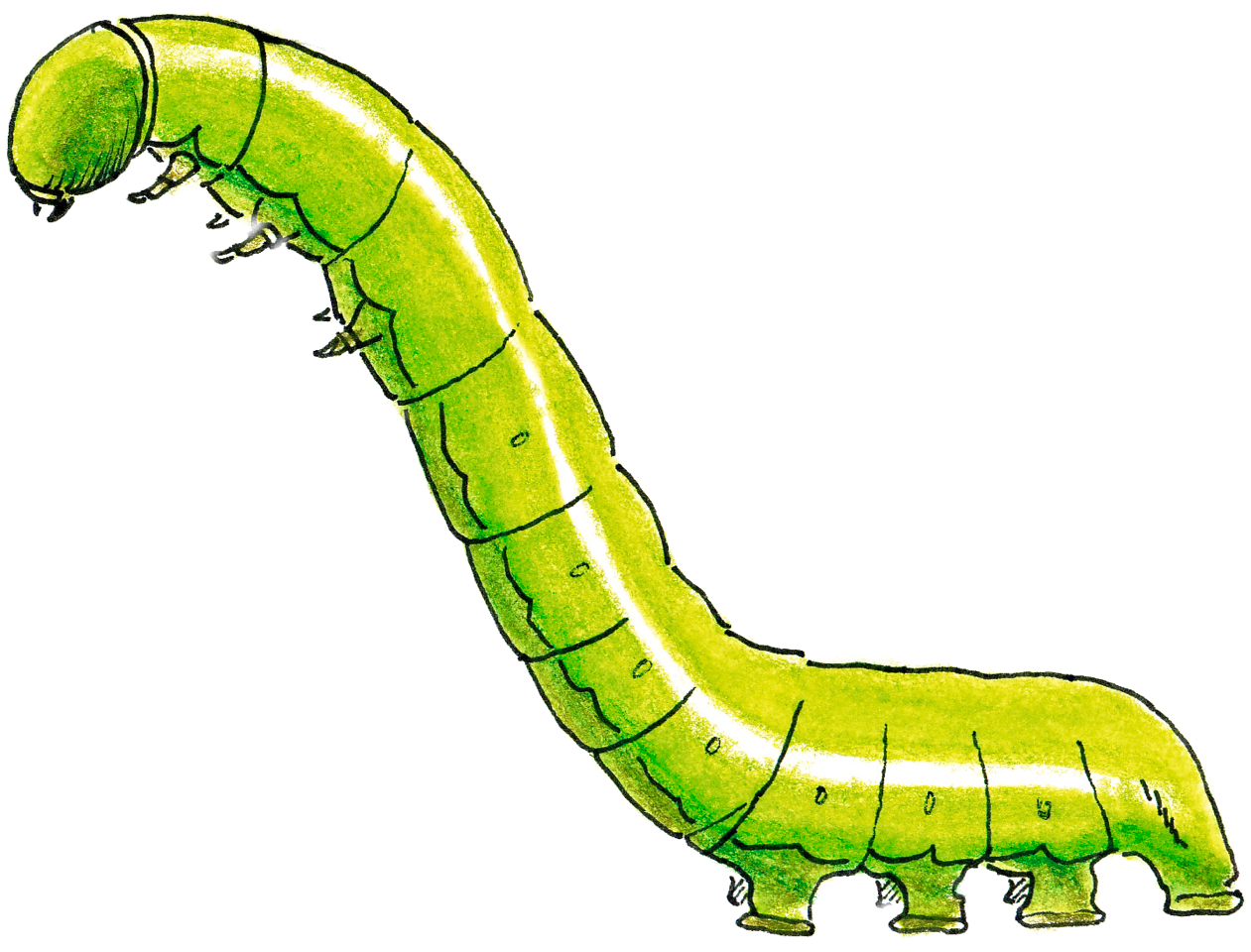
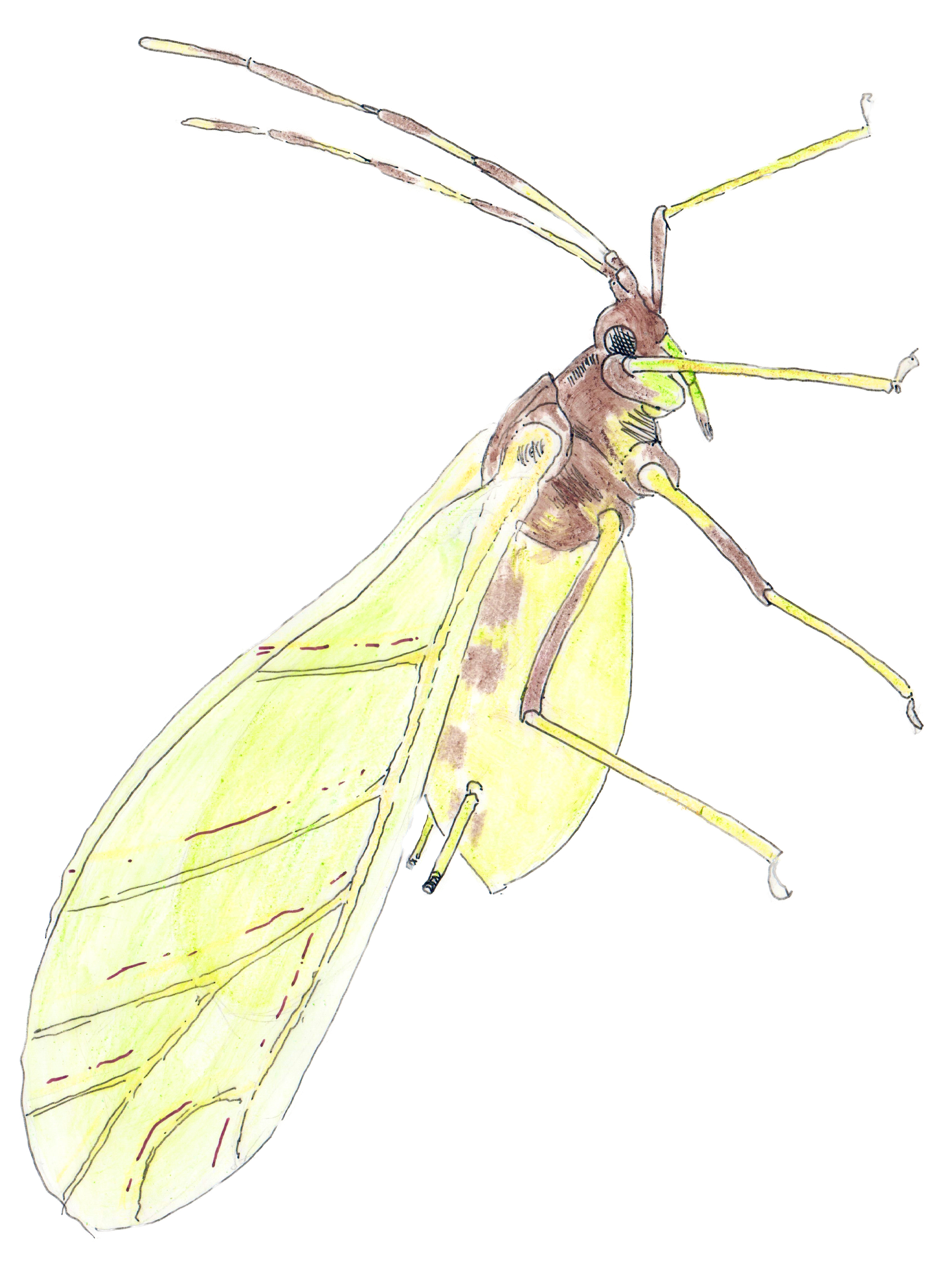
Thrips, leafhoppers and other bugs, caterpillars, etc., move around during the day.
If you choose to apply at sundown when the bees have all gone home and night-time feeding is about to begin, Py-Bo residues last overnight until UV light (the sun) degrades those residues in a couple of hours next morning. (Your test sprays should be done in daylight; you’ll want to be able to actually see the difference in the pest population between applications so you can decide).
Equipment choice
Equipment can be grouped according to droplet size emitted.
If you are using spraying equipment, the pressure and the size of the nozzles combine to give a droplet size; more pressure through a nozzle produces finer droplets than lower pressure through the same nozzle.
Big droplets follow a trajectory from where they are pointed to fall gradually downwards.
The bigger they are, the sooner they hit the target, or miss and fall to the soil (nowhere near the target).
A miss is a waste.
Finer droplets still basically go where they were aimed but will they settle where they do the best job?
The finest droplets from air-blaster equipment will only go straight for a handspan or two, they quickly lose velocity and begin to succumb to air currents which can take them around the branches and under the leaves.
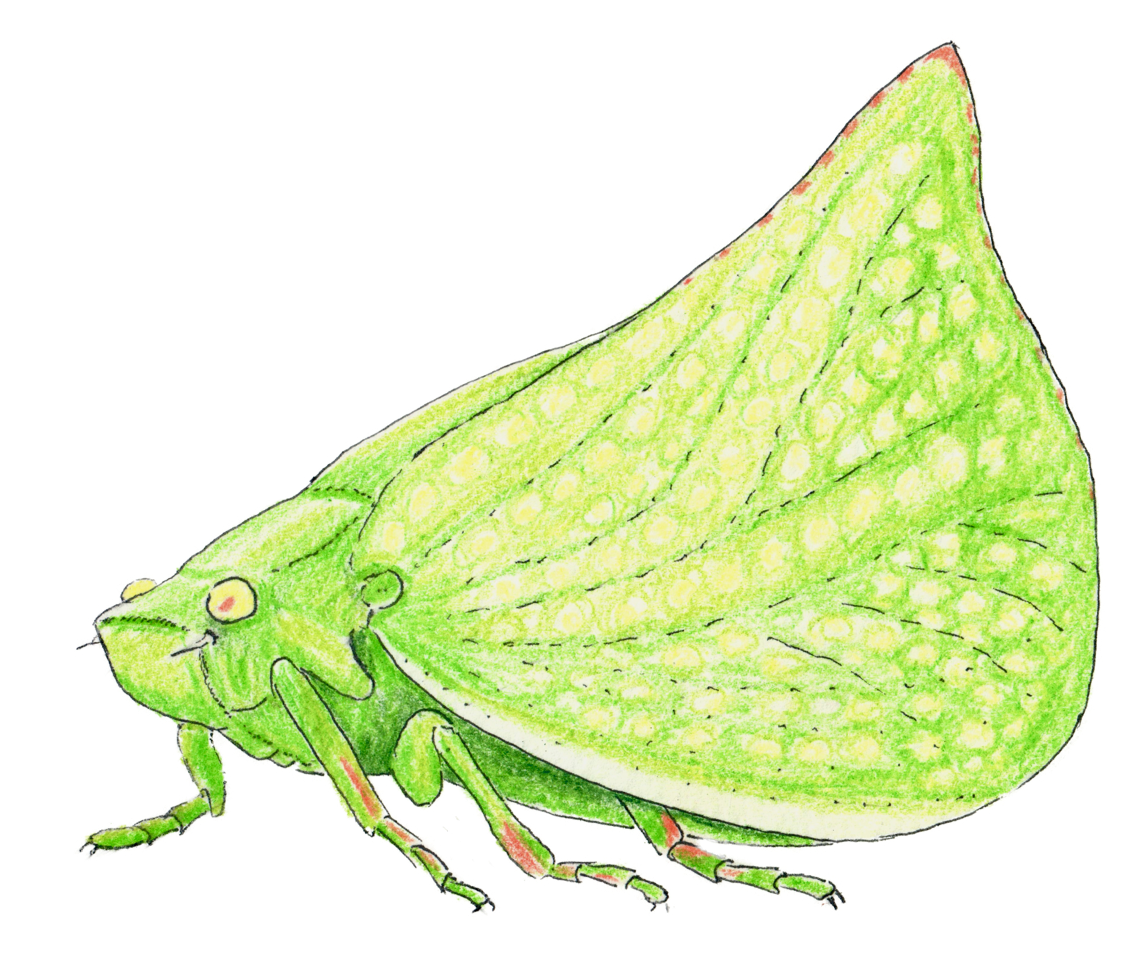
Misters and foggers (maybe you’re considering drones) should be appraised in this way too; but be aware, droplets which are too small just continue to float and evaporate, never impacting the plant or pests on it. (Flying insects will bump into some).
The PyBo is not obligatory; it is suggested because in a few minutes, it kills every arthropod it contacts, and there is no residual problem because there is only a one-day withholding period.
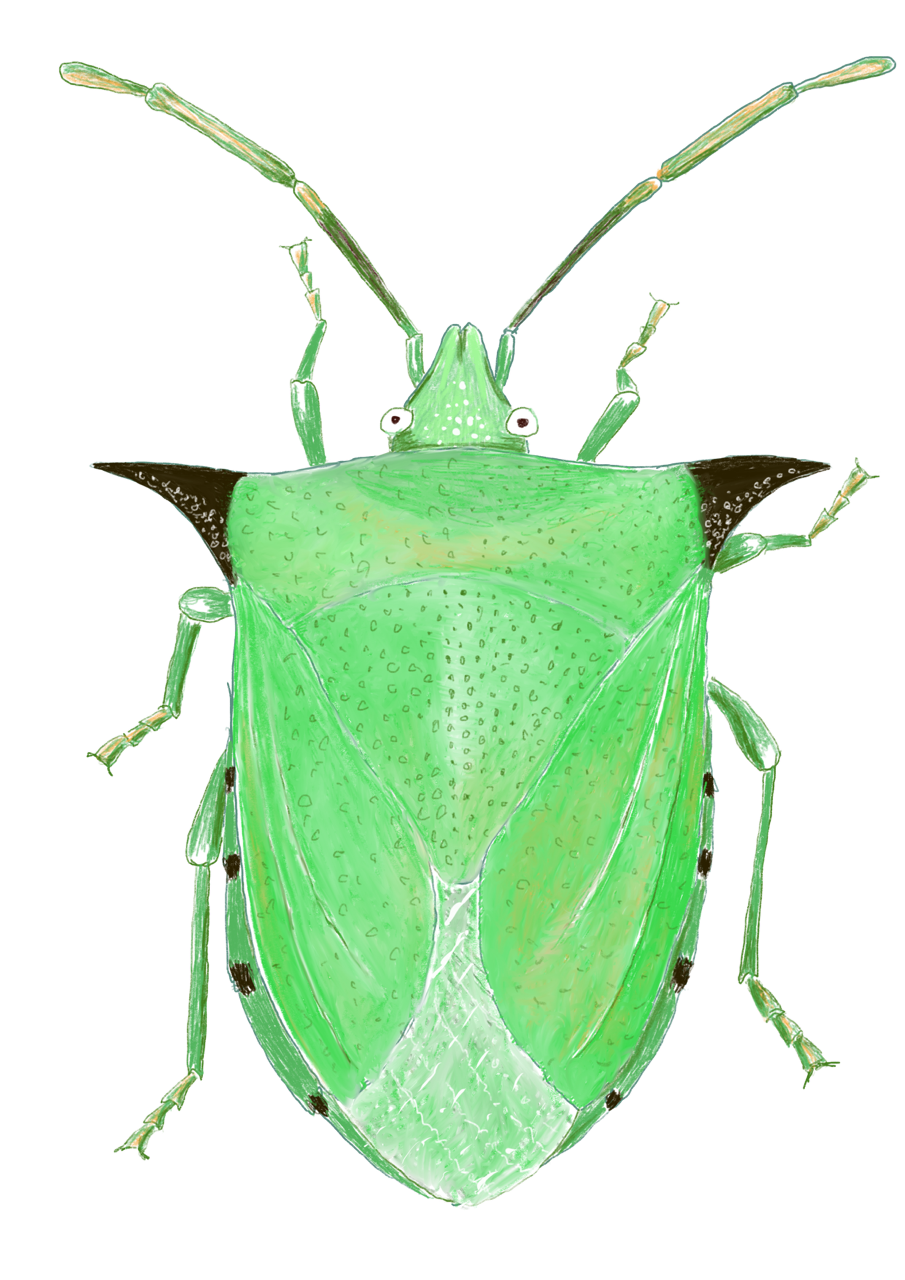
And it won’t bite you as you check the results a couple of minutes after application.
A follow-up spray a few days later can kill all hatchlings from still-viable eggs before they get to adult stage; a way to break the life cycle.
Tweaking your application is a minimum time and effort investment toward high yielding crops.
Oh, yes, there is a hidden cost – increased yields could mean higher picking costs and packaging.
Ion Staunton is the entomologist at Pestech.com.au manufacturers of Py-Bo Natural Pyrethrum Insecticidal Concentrate. Hit any insect with a droplet and they die… in minutes. Talk to a human on 1800 12345 7.

