Tree crop insights
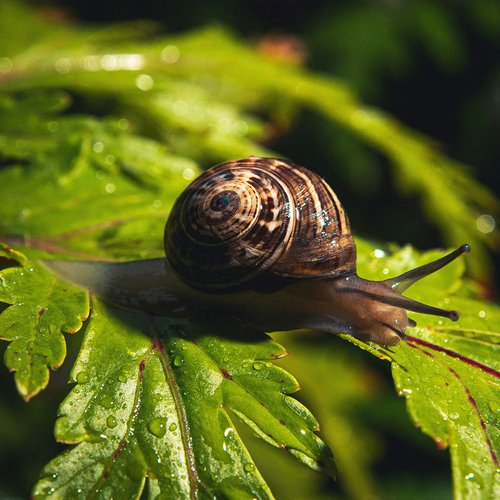
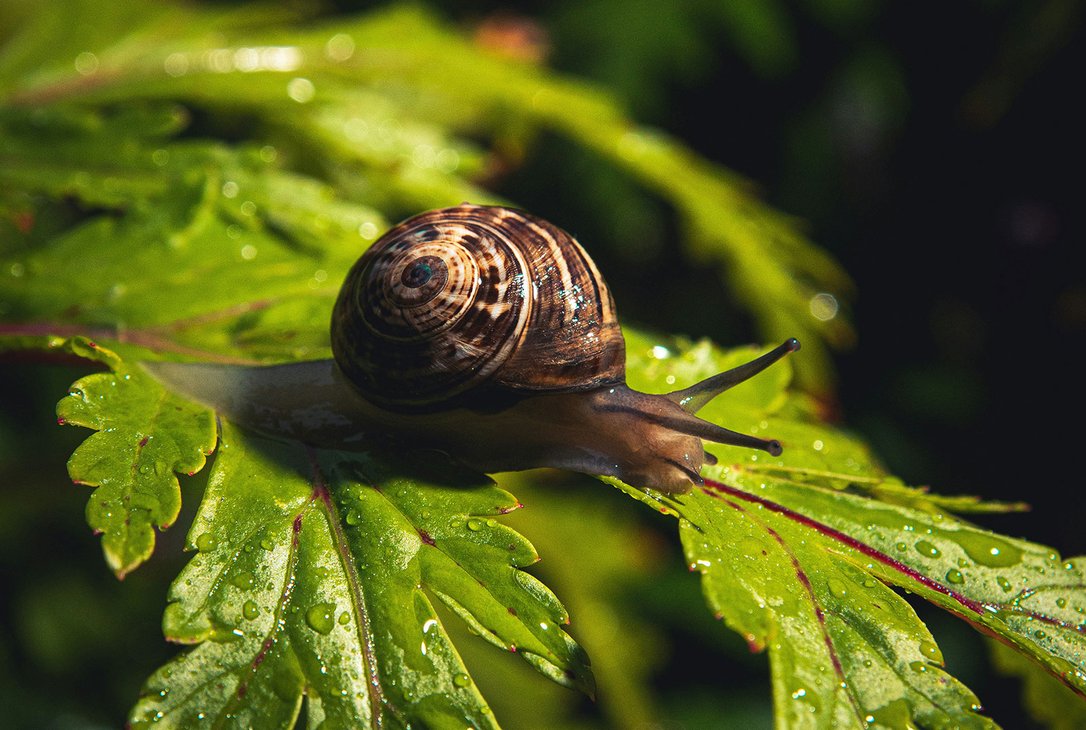
The activity of snails in orchards is closely linked to seasonal changes in temperature, humidity and food availability.
Active periods. Adult snails are most active from late autumn through to late spring, when conditions are cool and moist. During this time, they feed vigorously and prepare for reproduction.
Dormancy (aestivation). In hot, dry weather – typically from late spring through summer – snails enter a dormant state known as aestivation. They seek out sheltered locations to conserve moisture and energy until conditions improve.
Breeding and egg laying. Breeding begins in mid-autumn and continues through winter into mid-spring. Egg laying occurs from mid to late autumn, with most eggs deposited during winter. Eggs are laid in moist soil, often beneath leaf litter or in shallow crevices.
Hatching and juvenile development. Juvenile snails begin hatching from late autumn, with hatching continuing through winter into spring. As temperatures rise in spring, snails begin seeking shelter to prepare for aestivation.
This life cycle highlights the importance of timing control measures – particularly baiting and habitat disruption – to target snails during their active and reproductive phases.
Cultural control
Snails are highly dependent on the presence of humid sheltering refuges to which they retreat during the heat of the day. Any technique that makes it more difficult for snails to find these refuges will reduce their numbers.
Weeds and the orchard floor
Weeds are plants growing where we do not want them.
In the context of snail control in orchards, weeds are plants that provide dense shelter and ladders into the fruit trees for the snails.
Not all plants on the orchard floor will be weeds, even though some of them are considered weeds in pastures or gardens.
Predatory and parasitic insects that control moth caterpillars, aphids, mealybugs and mites usually rely on pollen and nectar from flowering plants on the orchard floor for energy and protein to mature their eggs.
Small predatory animals like lizards that prey on snails rely on cover from plants on the orchard floor to protect them from predation by larger animals, including birds.
Maintaining a weed-free tree line is good practice for snail control and, provided the inter-row sward contains some appropriate flowering plants, you will still be able to provide habitat for the beneficial predatory species that keep your other pests under control.
Snail eggs can survive in moist soil under fallen leaves. Ground sprays of urea used for scab control can cause those leaves to break down quicker and eliminate those refuges.
Leaf raking used for scab control would also expose the sites where snail eggs had been laid.
Physical barriers
Snails do not like crawling over dry or abrasive surfaces.
Orchardists using organic techniques often place rings of ash, sawdust or stone dust around trees to deter snails. Superphosphate is also suitable. However, rain and irrigation tend to disperse these barriers and they require frequent reapplication.
Copper is an effective snail repellent and copper bands or copper wire round the butts of trees have been reported to be effective, but they need to be checked regularly as the tree butt circumference expands as the tree grows. Copper sheet and wire is expensive, though, and theft is rife.
Biological control: poultry in the orchard
Integrating poultry into orchard systems can be an effective biological strategy for managing snails and other pests. Ducks, geese, chickens, turkeys and guineafowl have all been used with varying success.
Ducks and geese
Ducks, particularly Khaki Campbell and Indian Runner breeds, are highly effective at controlling snail populations. Geese also contribute to snail control but may be less efficient than ducks. To encourage foraging within the orchard, access to dams and waterways should be restricted.
A flock of approximately 20 ducks has been reported to control snails across up to 20 hectares, making them a viable option for larger orchards.
Chickens and guineafowl
Chickens are beneficial for controlling both snails and insect pests. Guineafowl also feed on snails, but are less effective than ducks or chickens. However, they may be considered if earwig populations are problematic. Note that earwigs are natural predators of woolly apple aphid, so reducing their numbers could inadvertently increase aphid pressure.
Management considerations
While poultry can be valuable allies in pest control, they must be managed carefully to avoid unintended consequences.
Predator protection. Birds are vulnerable to foxes, feral cats and raptors. Secure fencing and predator-proof shelters are essential.
Pesticide safety. Many pesticides are highly toxic to birds. A lockable pen or shelter, located well away from the orchard, must be available during pesticide applications.
Residue risk. If poultry are used for meat or egg production, potential pesticide residues must be considered and managed accordingly.
Disease prevention. Free-ranging poultry are susceptible to avian influenza, which can be transmitted by wild birds. Measures should be taken to minimise contact between domestic and wild bird populations.
Chemical control: baits
Chemical baiting can be an effective method for snail control in orchards, but it should be considered a last resort due to the associated risks.
Chemical baits must be approved by the Australian Pesticides and Veterinary Medicines Authority (APVMA) for use against snails in orchards. Certain baits may be highly toxic and pose serious risks to livestock, pets, wildlife and children if not handled correctly.
Application guidelines
- use only when other control methods have proven insufficient.
- apply in autumn, targeting snails before the onset of egg laying.
- do not heap baits. Uniform distribution across the orchard floor improves effectiveness and reduces risk.
- avoid using copper sprays concurrently, as copper repels snails and may reduce bait uptake.
Safety tips for bait application
To minimise risks during baiting:
- read and follow the label instructions carefully, including dosage and timing.
- wear appropriate PPE (gloves, long sleeves, eye protection and a mask if dust is present).
- store baits securely in a locked area away from children, pets and food.
- avoid baiting near water sources or animal enclosures.
- clean equipment thoroughly after use and wash hands before eating or drinking.
- monitor baited areas regularly for signs of non-target exposure or accidental ingestion.
- inform staff and use signage to alert others to baited zones.
Buffered copper complex repellents
An alternative to toxic baits is the use of registered snail repellents based on buffered copper complexes. These can be applied to fruit trees prior to flowering as part of an early season control strategy.
Application notes:
- exercise caution to prevent overspray onto foliage, which may cause phytotoxicity.
- ensure staff safety during application by using PPE and following label directions.
The PIPS 4 Profit Pest and disease management (AP22001) project has been funded by Hort Innovation, using the apple and pear research and development levy, contributions from the Australian Government and co-investment from Agriculture Victoria. It is supported regionally by the Tasmanian Institute of Agriculture, Pomewest and NSW Department of Primary Industries and Regional Development. Hort Innovation is the grower-owned, not-for-profit research and development corporation for Australian horticulture.
This article was first published in the Summer 2025 edition of AFG.