

News
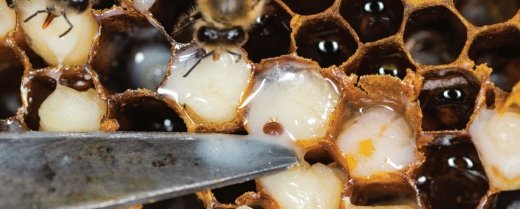
The varroa mite detection in a managed hive at Pooginook, in South Australia’s Riverland, was made during surveillance activities which have been in place since varroa was first detected in NSW in 2022.
Following the detection, the hives on the impacted orchard were treated with acaricides and sticky mats were deployed to support containment.
The hives, which were from Queensland and Western Australia, were then moved out of the state.
The Department of Primary Industries and Regions (PIRSA) has also placed catch boxes across the affected orchard to capture remaining bees and any potential swarms, while sentinel hives are being installed for long-term surveillance.
A South Australian beekeeper with hives located within the 25-kilometre surveillance buffer is under active monitoring.
While no varroa mites have been visually observed, samples have been sent to the South Australian Research and Development Institute (SARDI) for further examination.
Community meetings are being held to provide local beekeepers and growers with the latest updates.
PIRSA is also engaging directly with all registered beekeepers within the 25-kilometre surveillance buffer to ensure they have access to information and assistance.
All beekeepers are urged to ensure they are registered to receive the latest information.
Beekeepers are encouraged to use PIRSA’s new heat map tool ( pir.sa.gov.au/biosecurity/animal_health/animal_species/bees/varroa_mite/varroa_surveillance_map ) which shows both positive detections and negative records in the buffer zone and across the state.
Beekeepers can check their location by entering their address details into the search bar.
The heat map relies on voluntary contributions by beekeepers to aid in showing where varroa mite is and isn’t being recorded.
PIRSA will continue to work with the South Australian Varroa Industry Advisory Committee (SAVIAC), South Australian apiary associations, local beekeepers, and national counterparts to slow the spread of varroa and support industry through the national transition to management program and the SA response plan.
All South Australian beekeepers are reminded to inspect their hives regularly using one of the recommended methods (e.g. alcohol/soapy water wash); report any suspected detections immediately to PIRSA via the exotic plant pest hotline on 1800 084 881; and ensure they are registered with PIRSA to receive up-to-date biosecurity notices.
Further resources, including guidance on hive monitoring and access to varroa development officers, are available at www.pir.sa.gov.au/varroa

