Tree crop insights
Climate concerns have returned to focus of the global horticultural sector as meteorological forecasts point to the development of a super El Niño event.
Atmospheric scientists warn this could become one of the strongest episodes on record.
The disruption is set to reshape global fresh produce markets, with heavy rainfall and extreme weather anomalies already threatening key international competitors such as Chile and Peru.
While global impacts are often highlighted, the more immediate question for Australian growers is how these atmospheric shifts translate to orchard-level conditions.
The atmospheric mechanics behind this phenomenon are already establishing, and early indicators warrant close attention.
FrostConsult’s Dr Stu Powell said we are already in a strong El Nino.
“The 90-day running average SOI figure went negative in the second week of May, but it takes up to eight weeks before this is reflected in day-to-day weather.
“From what we are seeing, this is shaping up to be a very significant event,” he says.
To understand implications of this shift, growers must look closely at the Southern Oscillation Index (SOI).
The SOI is a key atmospheric indicator used to track and measure the intensity of the El Niño–Southern Oscillation (ENSO) cycle, which drives major global weather patterns.
It primarily identifies whether the Earth is currently in an El Niño, La Niña, or neutral phase.
A sustained negative SOI value – such as averages below −7 to −10 – confirms the atmosphere is firmly coupled with warming ocean temperatures, typically resulting in more stable, drier conditions across much of eastern and northern Australia.
For growers, this lag period is a critical window for operational preparation.
While the daily weather might still seem typical, the underlying drivers influencing temperature and moisture conditions are already shifting.
Rethinking frost risks in El Niño seasons
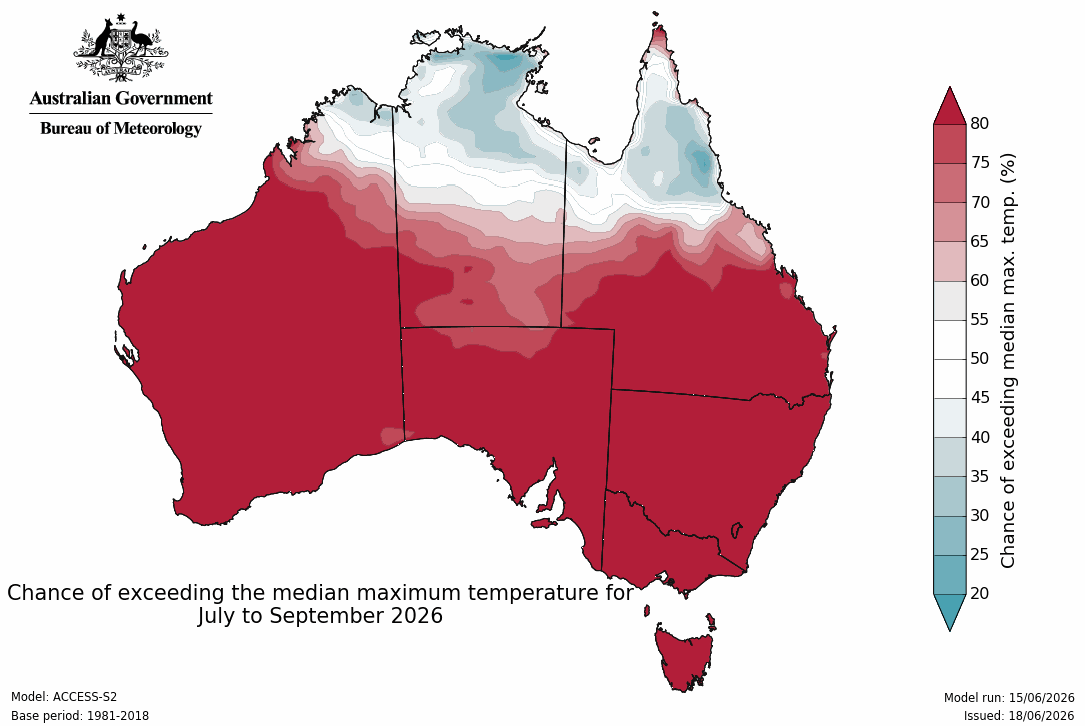
El Niño conditions are commonly associated with hotter and drier weather.
However, their influence on frost risk is less straightforward.
Previously attempts to correlate El Niño phases with increased frost incidents have shown only a weak relationship.
What is more relevant and often overlooked is the impact of frost severity.
Clearer skies, lower humidity, reduced cloud cover – conditions typical of El Niño phases – are conducive to stronger radiative cooling.
Under these conditions, frost events, when they occur, are more likely to reach lower minimum temperatures and persist for longer durations.
For tree crops, it is this intensity, rather than frequency, which typically drives damage outcomes.
Implications for orchard management
The current ENSO phase suggests growers should be preparing for greater variability and higher-risk frost events, rather than simply expecting more frequent occurrences.
This distinction shifts the focus towards preparedness and system performance.
Practical considerations include:
- Ensuring frost protection systems are fully operational and serviced ahead of the season.
- Reviewing block-specific frost history, particularly under radiative conditions.
- Identifying areas prone to cold air accumulation and restricted airflow.
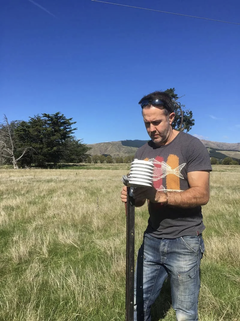
- Using site-specific monitoring rather than relying solely on regional forecasts.
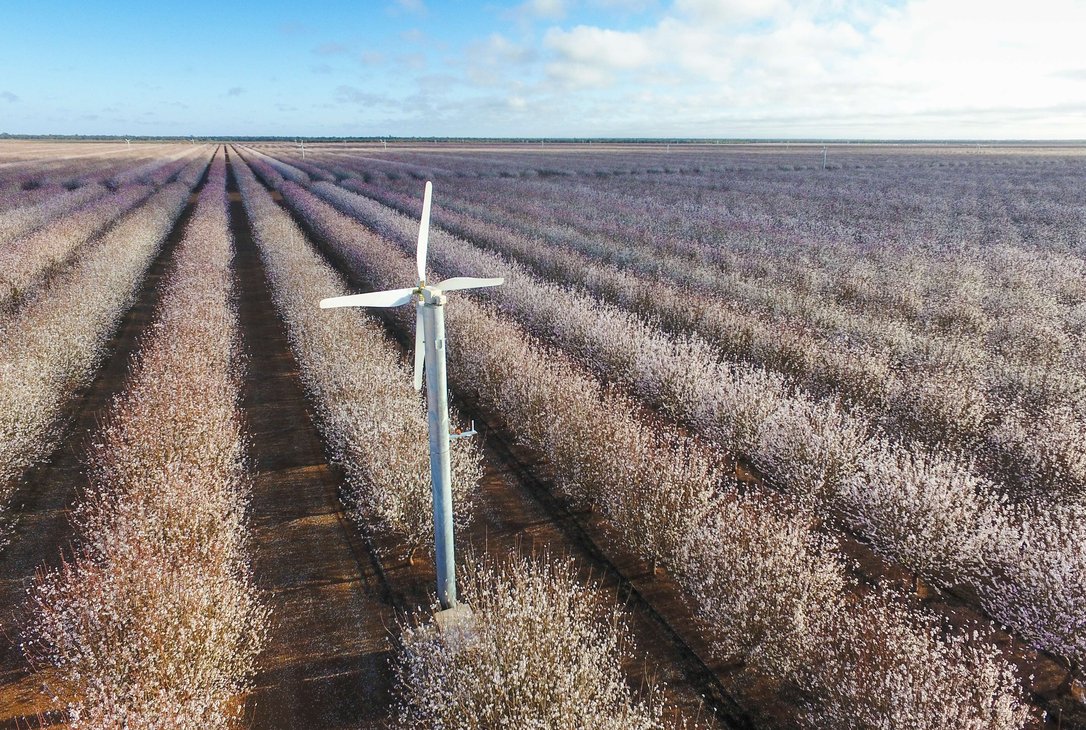
Where frost protection systems such as fans are in place – or being considered – the ability to respond effectively to more severe events become increasingly important.
Acting on leading indicators
A consistent challenge with ENSO-driven conditions is timing.
By the time seasonal patterns become obvious in daily weather, the opportunity to prepare has often passed.
The current negative SOI phase indicates the atmospheric shift is already underway.
While this may not yet be fully reflected in observed conditions, it provides a clear signal that risk profiles are changing.
Acting on these indicators allows growers to move from reactive to proactive management.
A season that will reward preparation
El Niño seasons are often characterised by extended dry periods combined with more pronounced temperature extremes.
For tree crop systems, this increases exposure to downside risk during critical periods.
While the occurrence of frost cannot be controlled, its impact can be mitigated through preparation, system reliability, and understanding of site-specific behaviour.
As the current El Niño develops, the focus should be less on how many frost events may occur, and more on ensuring that orchards are equipped to manage their potential severity.